Stress has a way of hijacking your body before you even realize what's happening. Your heart rate climbs, your muscles tense, and your breathing becomes shallow. The good news? You can reverse that cascade in minutes using nothing more than your own breath.
Deep breathing exercises for stress relief work because they directly influence your autonomic nervous system, shifting you out of a fight-or-flight state and into a calmer, more focused one.
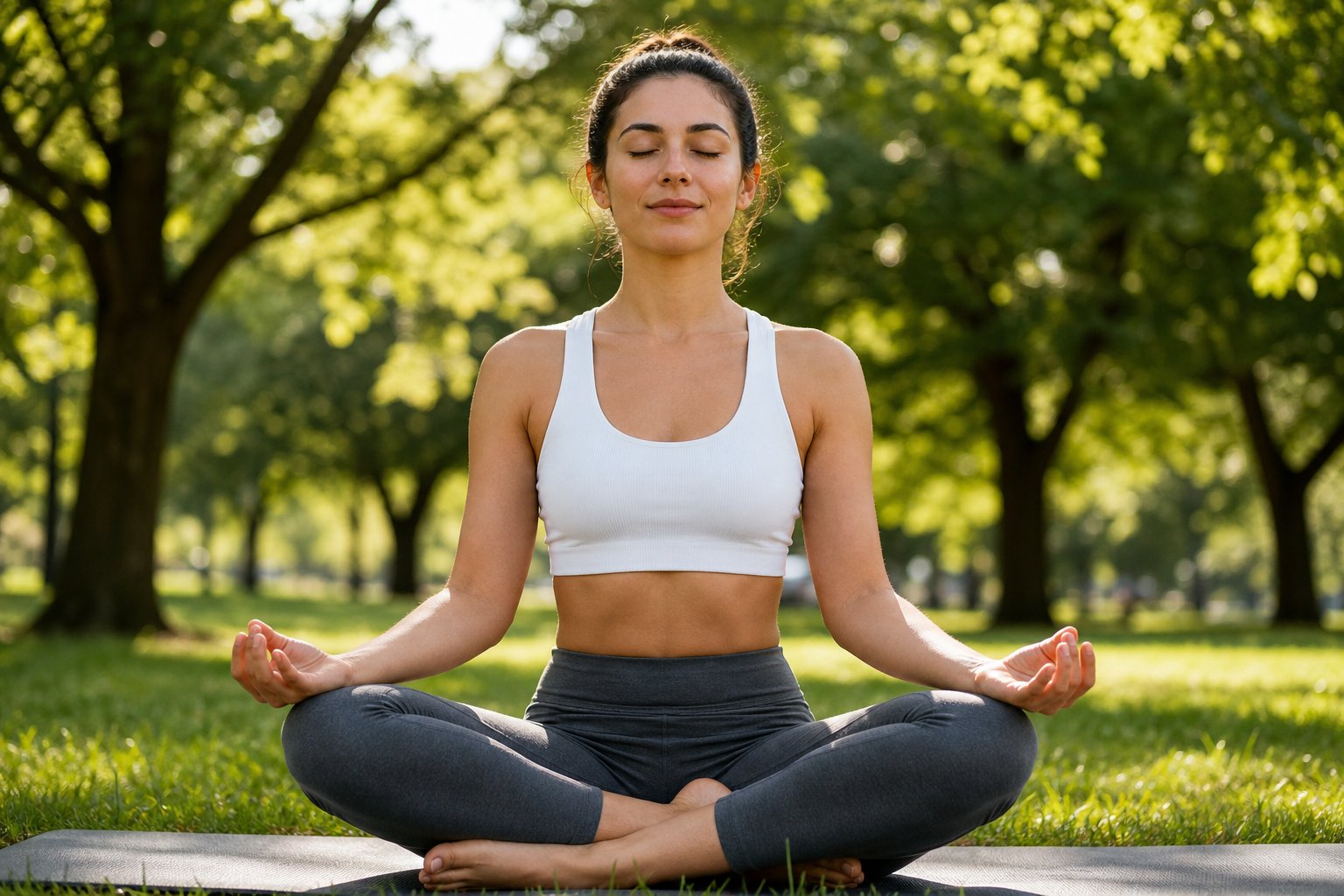
These aren't abstract wellness concepts. They're practical, evidence-based tools used by surgeons before operations, athletes before competition, and military operators under extreme pressure. The techniques below give you a concrete way to regulate your nervous system on demand, whether you're dealing with a high-stakes presentation, a sleepless night, or the cumulative weight of daily life. Each one targets your physiology in a slightly different way, so you can find what fits your situation best.
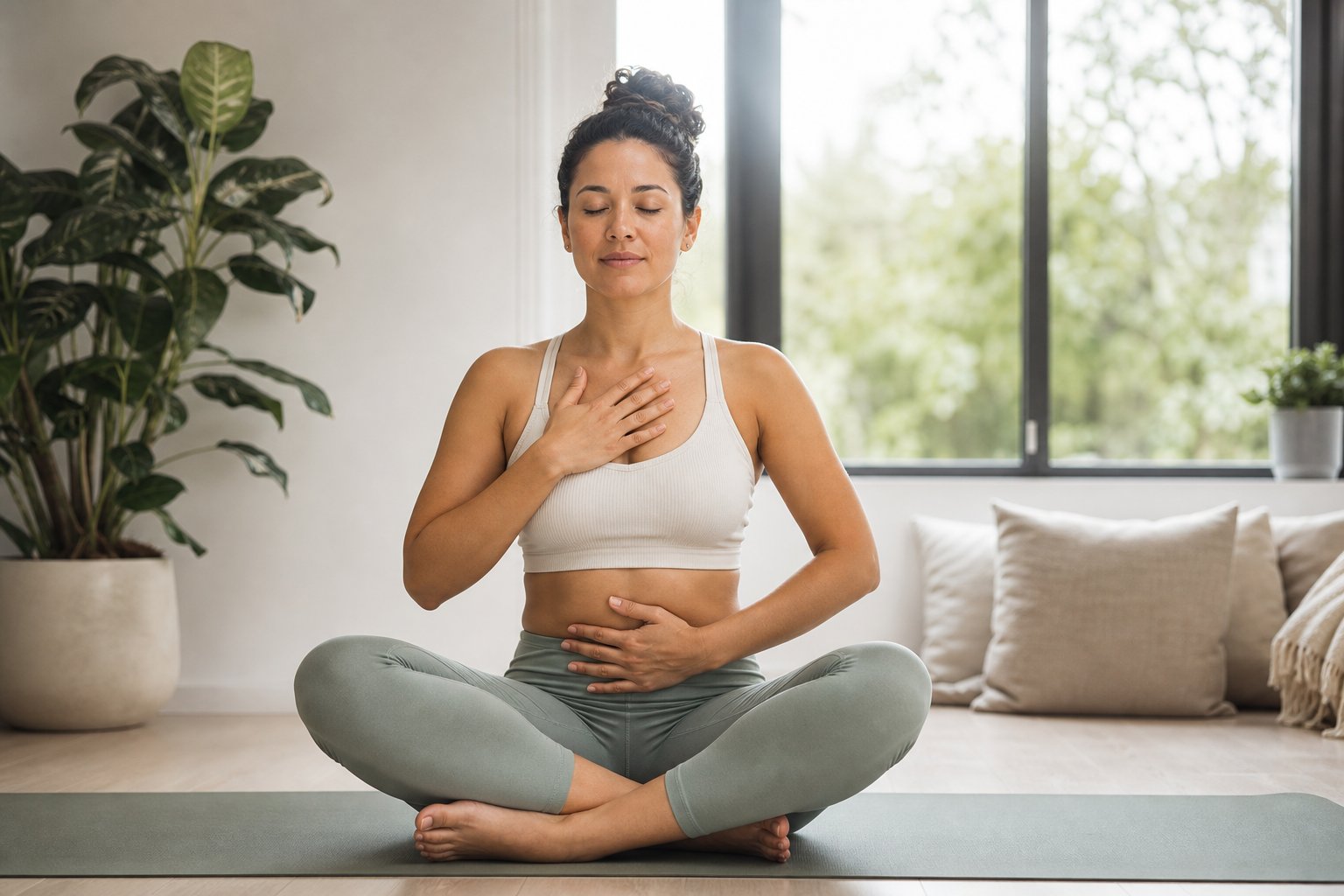
1) Diaphragmatic Breathing
Diaphragmatic breathing is the foundation every other technique builds on. It involves consciously engaging the diaphragm, the dome-shaped muscle beneath your lungs, to draw air deep into the lower lobes rather than taking shallow sips into your upper chest.
When you breathe this way, you stimulate the vagus nerve, which runs from your brainstem to your abdomen. That stimulation activates your parasympathetic nervous system, lowering your heart rate and reducing cortisol output.
How to do it:
- Sit upright or lie flat on your back.
- Place one hand on your chest and the other on your belly, just below your ribcage.
- Inhale slowly through your nose for about 4 seconds, directing the air downward so your belly pushes out against your hand. Your chest should stay relatively still.
- Exhale slowly through your nose or mouth for 5 to 6 seconds, feeling your belly fall inward.
- Repeat for 5 to 10 minutes.
The hand placement isn't just a cue for beginners. It gives you real-time biofeedback. If your chest hand is moving more than your belly hand, you're still breathing shallowly. In practice, most people need two or three sessions before the pattern feels natural. Once it clicks, diaphragmatic breathing becomes your default reset tool, useful anywhere from your desk to a crowded subway.
2) Box Breathing
Box breathing, also called square breathing, is the technique favoured by Navy SEALs and first responders. Its appeal is simplicity: four equal phases, each lasting the same count. That rhythmic structure gives your mind something concrete to latch onto, which makes it especially effective when your thoughts are spiralling.
The method works by introducing a deliberate pause (the breath hold) that interrupts your body's stress response cycle. Each hold allows CO2 levels to rise slightly, which paradoxically helps reset your nervous system and induce a state of calm.
How to do it:
- Sit upright with your feet flat on the floor.
- Inhale through your nose for 4 seconds.
- Hold your breath for 4 seconds.
- Exhale through your nose or mouth for 4 seconds.
- Hold your breath again for 4 seconds.
- Repeat this cycle for 4 to 5 minutes.
If a 4-second count feels too long initially, start with 3 seconds per phase and build up. The key variable isn't the count itself; it's the equality of each phase. This symmetry is what creates the calming, almost metronome-like rhythm that pulls your attention away from anxious thoughts and into your body.
Box breathing shines in pre-performance scenarios. Try it in the five minutes before a presentation, a difficult conversation, or a competitive event. You'll notice your voice steadies, your hands stop fidgeting, and your thinking sharpens.
3) 4-7-8 Breathing
The 4-7-8 technique, developed by Dr. Andrew Weil, is built around an extended exhale that powerfully activates your parasympathetic nervous system. The long breath hold and even longer exhale slow your heart rate more aggressively than most other methods, which makes this one particularly useful at bedtime or during intense anxiety.
When you hold your breath for 7 seconds, your body's oxygen and carbon dioxide levels shift in a way that helps relax the body and manage emotional responses more effectively.
How to do it:
- Sit or lie down in a comfortable position.
- Exhale completely through your mouth.
- Inhale quietly through your nose for 4 seconds.
- Hold your breath for 7 seconds.
- Exhale slowly and forcefully through your mouth for 8 seconds, making a soft "whoosh" sound.
- Repeat for up to 4 cycles.
A word of caution: if you feel dizzy during your first few attempts, shorten the hold to 5 seconds and the exhale to 6 seconds. The ratios matter more than the exact counts. As long as your exhale is roughly twice your inhale, you're getting the core benefit.
This technique acts almost like a physiological off switch. Many people who struggle with racing thoughts at night find that two or three rounds are enough to quiet mental chatter and transition into sleep.
4) Pursed-Lip Breathing
Pursed-lip breathing is a straightforward technique that slows your breathing rate by creating gentle resistance on the exhale. By narrowing the exit path for air, you naturally extend the duration of each out-breath. That prolonged exhale is what triggers parasympathetic activation and calms your system down.
This technique is used extensively in respiratory therapy, but it's equally valuable for stress management. It improves breath control, reduces shortness of breath associated with anxiety, and can help manage panic attacks.
How to do it:
- Sit or stand comfortably with relaxed shoulders.
- Inhale slowly through your nose for about 2 seconds.
- Pucker your lips as though you're about to whistle or blow through a straw.
- Exhale gently through your pursed lips for 4 to 6 seconds.
- Repeat for 5 to 10 rounds.
What makes pursed-lip breathing stand out is its subtlety. You can do it in a meeting, on a phone call, or in a crowded room without anyone noticing. There's no hand placement, no counting out loud, no posture requirements. It's the most socially invisible breathing technique on this list, which makes it ideal for managing stress in real time, right in the middle of your day.
5) Alternate Nostril Breathing
Alternate nostril breathing takes a different approach. Instead of only modifying the timing or depth of your breath, it changes the pathway of airflow, which engages both hemispheres of your brain in a balanced, rhythmic pattern. The result is a noticeable calming effect that also enhances respiratory function and improves mental clarity.
This technique is widely used by athletes and executives who need to quiet mental noise without becoming drowsy.
How to do it:
- Sit comfortably with a straight spine.
- Place your left hand on your knee.
- Use your right thumb to close your right nostril.
- Inhale deeply through your left nostril for 4 seconds.
- Close your left nostril with your right ring finger, release your thumb, and exhale through your right nostril for 4 seconds.
- Inhale through your right nostril, close it, open the left, and exhale.
- Continue alternating for 5 to 10 minutes.
The first time you try this, it can feel a bit awkward coordinating your fingers. That's normal. After a few sessions, the hand movements become automatic, and your focus shifts entirely to the breath itself. What you'll likely notice is a distinct sense of mental balance, as though both sides of your brain just came into alignment. This makes it excellent for transitions between tasks or before situations that demand clear, focused thinking.
6) Belly Breathing
Belly breathing, sometimes called abdominal breathing, is closely related to diaphragmatic breathing but takes a more intuitive, less technical approach. You simply focus on making your belly rise and fall with each breath, without worrying about specific hand placement or precise counts.
This technique naturally promotes a feeling of calmness by stimulating the parasympathetic nervous system and decreasing heart rate. It's the version of deep breathing most people can pick up in seconds.
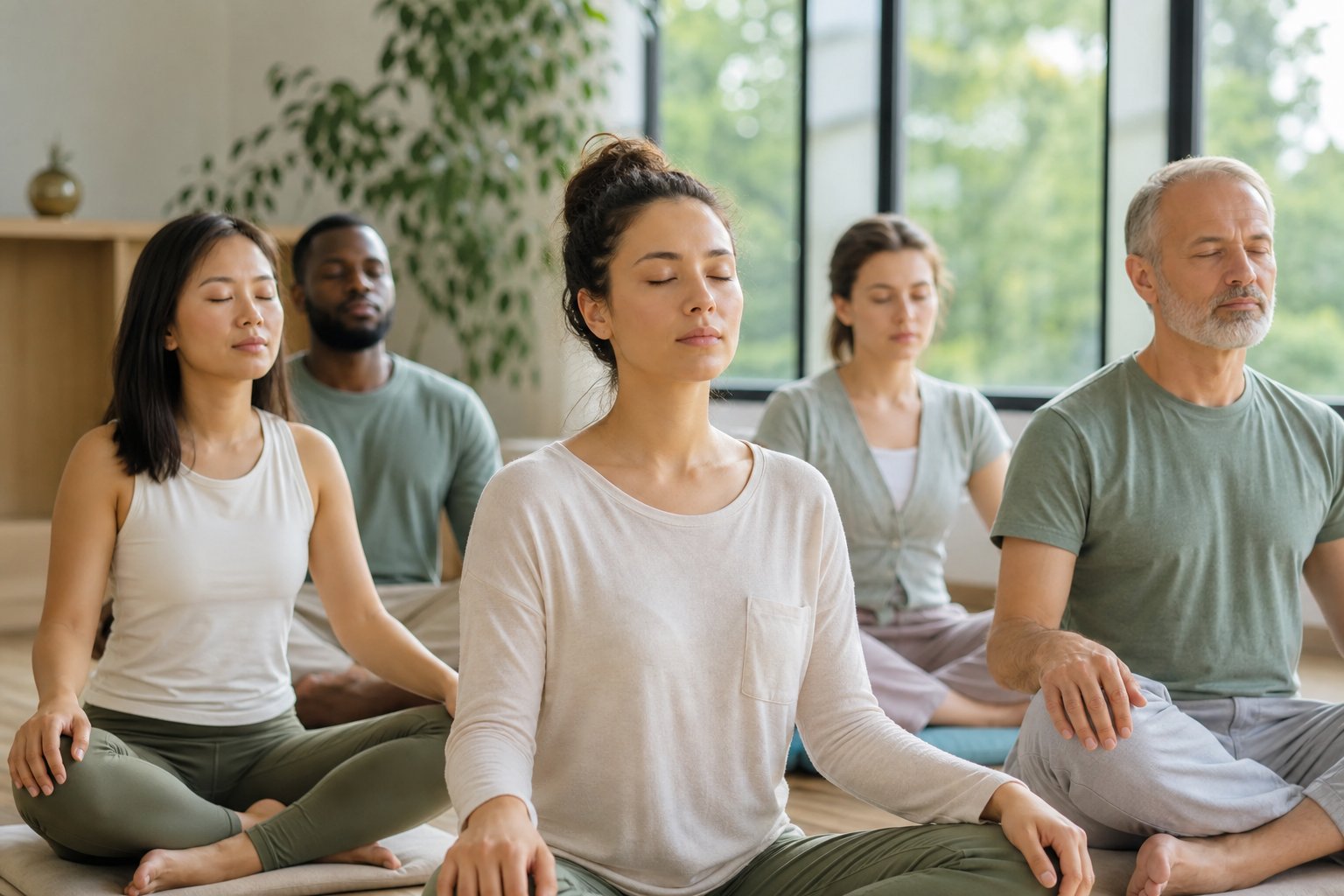
- Lie down on your back or sit in a comfortable chair.
- Breathe in slowly through your nose, letting your belly expand fully.
- Exhale slowly through your mouth, feeling your belly deflate.
- Focus your attention on the physical sensation of your belly rising and falling.
- Continue for 5 to 10 minutes.
Belly breathing is the entry point for anyone who finds structured techniques intimidating. There's no counting, no holding, no lip positioning. It's just breathing the way your body was designed to breathe before chronic stress trained you into shallow chest breathing.
Try this one lying on the floor before bed. The combination of a supine position and slow abdominal breathing drops your nervous system into recovery mode faster than almost any other single intervention.
7) Extended Exhale Breathing
Extended exhale breathing zeroes in on the single most impactful variable in breathwork: the length of your out-breath relative to your in-breath. When your exhale is longer than your inhale, your vagus nerve sends a stronger signal to your brain to slow your heart rate and reduce blood pressure.
How to do it:
- Sit comfortably and relax your shoulders.
- Inhale through your nose for 3 seconds.
- Exhale through your nose or mouth for 6 seconds.
- Gradually increase the ratio as you get comfortable. Aim for a 1:2 or even 1:3 inhale-to-exhale ratio.
- Practice for 3 to 5 minutes.
The ratio is the active ingredient here. Whether you use a 3:6, 4:8, or 2:6 pattern, you're creating the same physiological effect: a sustained parasympathetic push during each exhale cycle.
This technique is especially useful when you need to wind down but don't have the time or space for a full breathing session. Even 60 seconds of extended exhale breathing produces a measurable drop in heart rate. It's a favourite among competitive athletes who need to recover quickly between high-intensity efforts. If you only learn one technique from this list, this is the one with the broadest practical application.
8) Resonant Breathing
Resonant breathing, also known as coherent breathing, involves breathing at a steady rate of about 5 to 6 breaths per minute. At this pace, your heart rate variability (HRV) reaches an optimal point where your cardiovascular and respiratory systems synchronize. Researchers refer to this as "cardiovascular resonance," and it's associated with reduced anxiety, improved mood, and enhanced cognitive performance.
How to do it:
- Sit or lie down in a relaxed position.
- Inhale slowly through your nose for 5 seconds.
- Exhale slowly through your nose for 5 seconds.
- Maintain this equal 5:5 pattern without pausing between inhale and exhale.
- Continue for 5 to 20 minutes.
Unlike techniques that emphasize extended exhales or breath holds, resonant breathing keeps everything perfectly even. The power comes from the pace, not the ratio. Five seconds in, five seconds out, smooth and continuous.
If you own a heart rate monitor or an HRV tracking app, try watching your data during a resonant breathing session. You'll see your heart rate oscillate in a smooth, rhythmic wave rather than the erratic pattern typical of a stressed state. This visual feedback can be highly motivating. Many professionals use resonant breathing as a daily nervous system calibration tool, practising it for 10 minutes each morning.
9) Counted Breathing
How to do it:
- Sit comfortably and close your eyes.
- Breathe naturally through your nose.
- On each exhale, silently count: 1, 2, 3, up to 10.
- When you reach 10, start over at 1.
- If you lose count, simply return to 1 without judgment.
- Continue for 3 to 10 minutes.
The "losing count" part isn't a failure. It's information. When your mind wanders frequently, it tells you your stress level is high and you need more time with the practice. When you breeze through several rounds of 10 without distraction, your nervous system is already settling.
This technique works well for people who dislike rigid breathing patterns or find specific inhale-exhale ratios distracting. It pairs naturally with any breathing depth or pace, making it the most adaptable method on this list. Use it during a commute, while waiting in line, or during a break between meetings.
10) Morning Breathing
Morning breathing is designed to clear residual tension from sleep and activate your body for the day ahead. During sleep, your muscles can tighten, your breathing becomes shallower, and fluid pools in your tissues. A deliberate breathing practice in the first few minutes after waking helps flush that stagnation and sends an alert, energized signal through your nervous system.
How to do it:
- Stand up and bend forward from the waist, letting your arms hang loosely. Keep your knees slightly bent.
- Inhale slowly and deeply through your nose as you roll your body upward, vertebra by vertebra, lifting your head last.
- Hold your breath at the top for 2 to 3 seconds.
- Exhale slowly through your mouth as you fold forward again.
- Repeat 3 to 5 times.
This technique combines the circulatory benefits of gentle movement with the nervous system regulation of controlled breathing. The forward fold encourages blood flow to your brain, and the slow inhale on the way up fills your lungs more completely than a seated breath would.
Morning breathing works best before caffeine, screens, or any other stimulation. Think of it as a physiological warm-up. Five repetitions take about two minutes and set a calmer baseline for the rest of your day. Many people report that starting with this practice reduces their need for additional stress management later on.
How These Techniques Change Your State
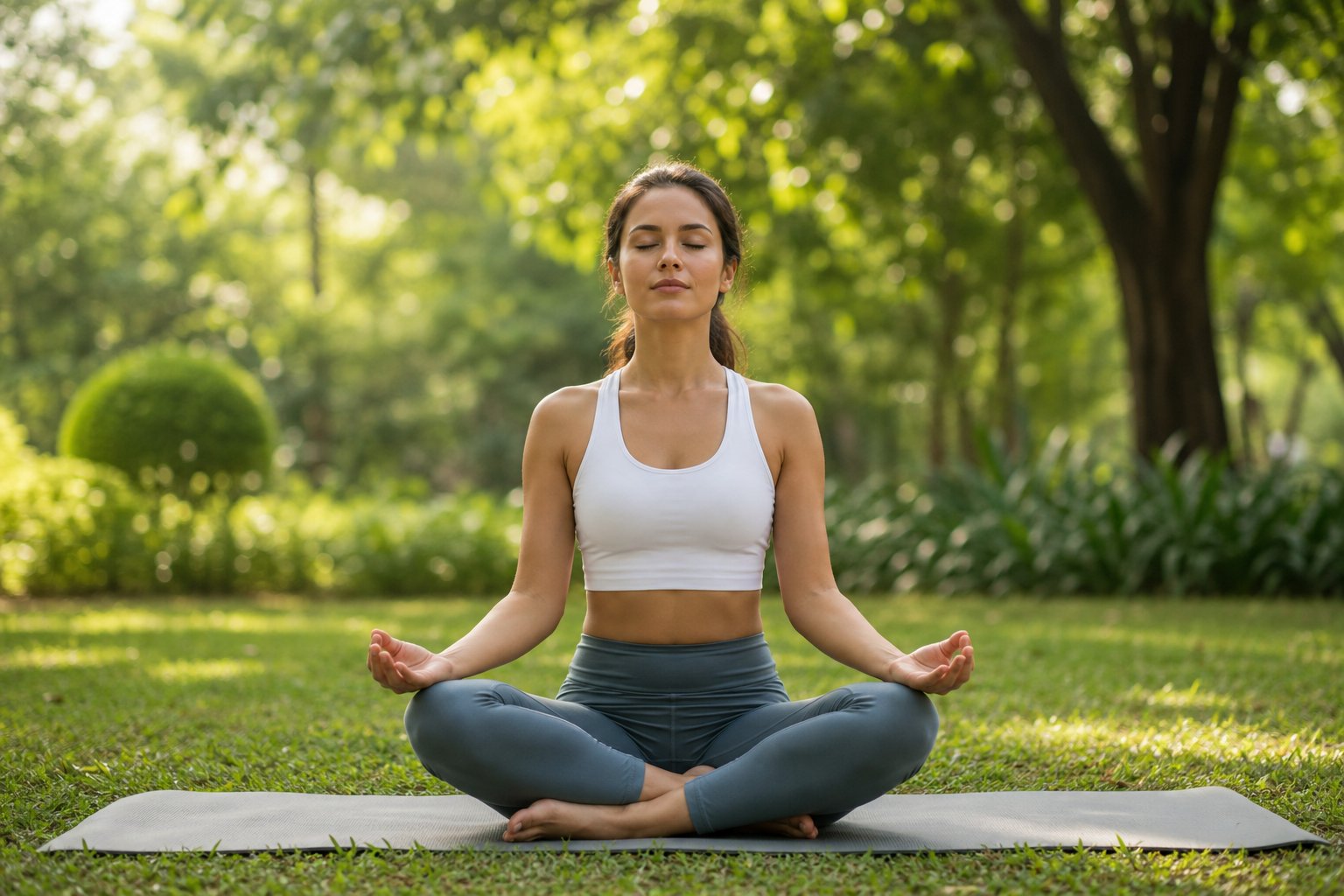
Every technique on this list works through one core mechanism: activating your parasympathetic nervous system, often called the "rest and digest" system. When you breathe slowly and deeply, your vagus nerve carries signals from your diaphragm to your brainstem, telling your brain to reduce cortisol output, slow your heart rate, and decrease blood pressure. This shifts you out of the sympathetic "fight or flight" state and into a recovery state. The effect is not subtle. Within 60 to 90 seconds of controlled breathing, most people experience a measurable reduction in physiological arousal.
Heart Rate And Blood Pressure Effects
Controlled breathing directly impacts your cardiovascular system. Slow, deep breaths increase something called heart rate variability (HRV), which is the variation in time between consecutive heartbeats. Higher HRV is associated with greater stress resilience and better cardiovascular health. Breathing exercises can reduce common bodily responses to stress, like a rapid heartbeat and shortness of breath. Blood pressure also drops as your blood vessels dilate in response to parasympathetic activation. For people dealing with chronic stress, this cardiovascular reset can be significant over time.
Why Longer Exhales Matter
Your inhale is linked to sympathetic activation (your heart rate slightly increases with each inhale), while your exhale is linked to parasympathetic activation (your heart rate slightly decreases with each exhale). When your exhale is longer than your inhale, you spend more time in each breathing cycle with your parasympathetic system dominant. This is why techniques like 4-7-8 breathing and extended exhale breathing are so effective at calming you down. The ratio of inhale to exhale isn't a gimmick. It's a direct lever on your autonomic nervous system.
How Breath Pacing Improves Focus
Slow, rhythmic breathing doesn't just calm you. It sharpens your cognitive function. When your breathing rate drops to around 5 to 6 breaths per minute, as in resonant breathing, your prefrontal cortex receives more stable blood flow and oxygenation. This translates to improved working memory, better decision-making, and reduced mental fog. Breathing exercises can reduce stress, enhance focus, and improve emotional regulation. Athletes and high-performers use breath pacing before events precisely because it creates a mental state that is calm and alert at the same time.
How To Use Breathing Exercises In Real Life
Before High-Stress Events
The five to ten minutes before a stressful event are when breathing exercises deliver the most noticeable impact. Box breathing and resonant breathing are particularly effective here because they impose structure and rhythm on your nervous system. Try sitting quietly, closing your eyes, and running through 4 to 5 minutes of box breathing before a job interview, a medical appointment, or a difficult conversation. You'll walk in with a lower resting heart rate and clearer thinking.
During Acute Stress Spikes
When stress hits mid-situation, you need something invisible and fast. Pursed-lip breathing and extended exhale breathing are your best options. Neither requires closing your eyes, changing your posture, or doing anything noticeable. The moment you feel your heart rate spike, shift to a 3:6 inhale-to-exhale ratio through pursed lips. Even 30 seconds of this can interrupt the stress cascade before it fully takes hold.
As A Daily Recovery Habit
Consistent daily practice is what transforms breathing exercises from an emergency tool into a lasting change in your baseline stress level. Even a few minutes of daily focused breathing can have a noticeable impact on stress and anxiety levels. Pick one or two techniques that feel natural to you and set a recurring time, such as first thing in the morning, during a lunch break, or before bed. Five minutes is enough. Over weeks, you'll notice that your resting heart rate trends lower, your sleep quality improves, and your ability to handle stressful moments strengthens.
When To Stop Or Modify
Breathing exercises are safe for most people, but there are situations where you should adjust or pause. If you feel dizzy, lightheaded, or tingly, you're likely over-breathing or holding your breath too long. Shorten your counts and breathe more gently. If you have a respiratory condition like COPD or severe asthma, consult your healthcare provider before practising extended breath holds. Pregnant individuals should avoid aggressive breath-hold techniques. And if any technique consistently increases your anxiety rather than reducing it, stop using it. Not every method works for every person, and finding the right fit matters more than forcing a specific technique.
Frequently Asked Questions
How long should I practice breathing techniques to feel calmer?
Most people notice a shift within 2 to 5 minutes of focused breathing. Physiologically, your vagus nerve begins signalling your brain to reduce cortisol and slow your heart rate after about 60 seconds of controlled breaths. For a more sustained effect, aim for 5 to 10 minutes per session.
What is the best breathing pattern to reduce anxiety quickly?
Extended exhale breathing (inhaling for 3 seconds and exhaling for 6 seconds) tends to produce the fastest calming effect because the prolonged exhale maximizes parasympathetic activation. Box breathing is another excellent option, especially if your anxiety is accompanied by racing thoughts, because the counting structure anchors your attention.
Can breathing exercises help with panic attacks, and how do I do them safely?
Yes, breathing exercises can help reduce the intensity and duration of a panic attack. Pursed-lip breathing is often recommended because it slows your breathing rate and helps manage shortness of breath during panic. Avoid forceful breath holds during a panic attack, as they can intensify feelings of suffocation. Focus on slow, gentle exhales through pursed lips and let the inhale happen naturally.
How often should I do breathing exercises each day for lasting benefits?
One to two dedicated sessions per day, lasting 5 to 10 minutes each, is enough for most people to experience lasting changes in baseline stress levels. Consistency matters more than session length. Short, regular sessions reinforce the habit and produce a noticeable impact on anxiety over time.
Why do I feel lightheaded when I focus on my breath, and how can I prevent it?
Lightheadedness during breathwork usually means you're taking in too much air too quickly (hyperventilation) or holding your breath longer than your body is currently comfortable with. Reduce your inhale volume, shorten any breath-hold phases, and breathe through your nose to naturally regulate airflow. If dizziness persists, take a break and return to normal breathing.
Should I breathe through my nose or mouth during calming breathwork?
Nasal breathing is generally preferred for calming techniques. Your nose filters, warms, and humidifies the air, and nasal breathing produces nitric oxide, which helps dilate blood vessels and improve oxygen circulation. Mouth breathing is appropriate during specific exhale phases, such as the "whoosh" exhale in 4-7-8 breathing or pursed-lip breathing, where controlled resistance on the out-breath is part of the technique.
Comments
Post a Comment